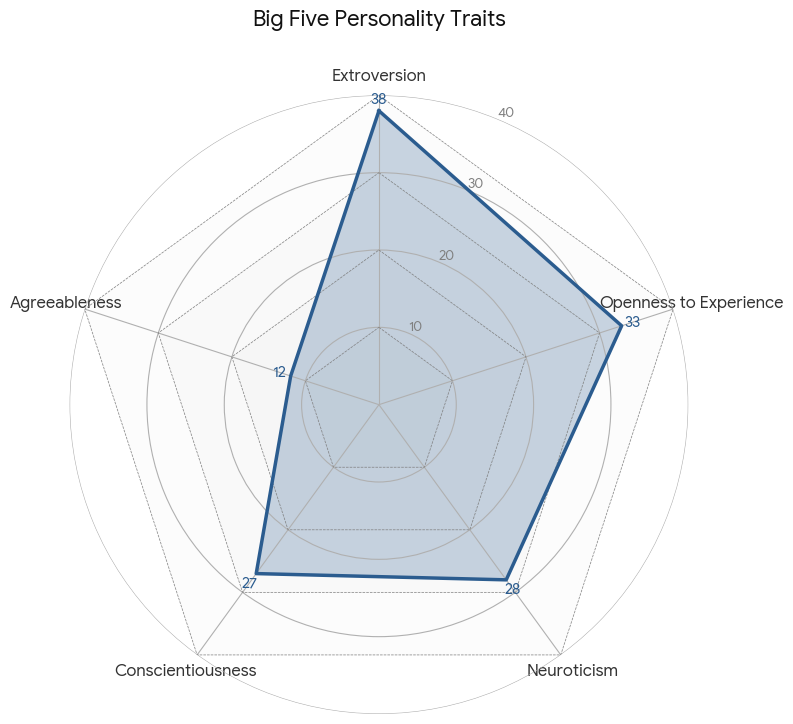
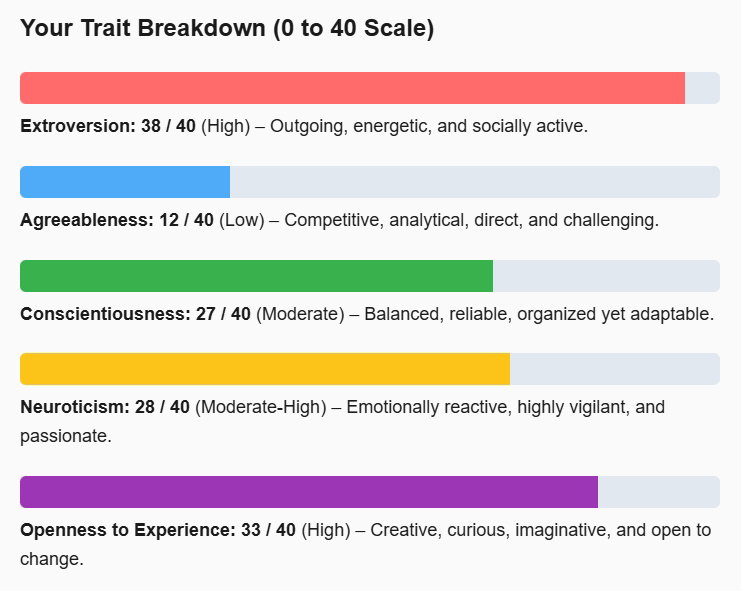
I used to use typing heavily, but:
Concerns About Private, For-Profit Ownership
Many popular personality typing models are owned and controlled by private companies that operate on a for-profit basis. This ownership structure raises several issues:
Limited Transparency: For-profit companies often keep their development processes, data sources, and validation methods confidential to protect intellectual property. This lack of transparency makes it difficult to assess the scientific rigor or validity of the models.
Commercial Bias: Since these companies rely on selling tests, certifications, or related products, there can be a commercial incentive to prioritize marketability over accuracy or scientific integrity. This may result in oversimplified or exaggerated claims about what the models can do.
Access and Cost: Private ownership often means that access to updated versions or advanced tools is behind paywalls or licensing fees, limiting accessibility for practitioners who want to provide unbiased and affordable services.
Data Privacy Concerns: When personality assessments are managed by for-profit entities, users’ data might be used for marketing or sold to third parties, raising ethical and privacy issues.
Lack of Recent Updates
Another critical issue is that many personality typing models have not been meaningfully updated in years or decades:
Outdated Frameworks: Some models were developed decades ago based on psychological theories that have since evolved. Without updates incorporating current research, these models risk being out of step with contemporary understanding of personality and cognition.
Static Nature: Personality is complex and influenced by cultural, social, and technological changes. Models that remain static fail to reflect these dynamics, potentially reducing relevance and accuracy.
Reduced Validation: Without ongoing empirical validation and refinement, models become less reliable over time. New data can reveal biases or limitations that need correction.
Missed Integration with New Science: Advances in neuroscience, genetics, and behavioral psychology offer deeper insights into personality development that older models do not capture.
Summary
Because of these concerns, I chose to move away from most personality typing models. The combination of private, profit-driven control limiting transparency and accessibility, along with outdated frameworks lacking recent scientific updates, means these tools often fall short of providing ethically sound, scientifically robust insights necessary for effective hypnotherapy and psychological work.
My results from various models:
I am an MBTI "ENTJ".
I am an Enneagram "8w7".
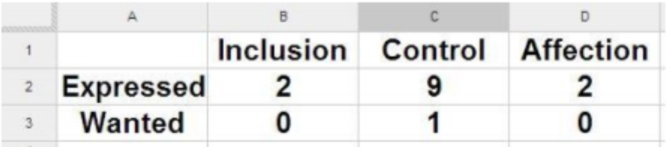
My FIRO-B:
My Big Five: